İsviçre tipi torna tezgahı ayar süresini hızlı pens değişimiyle kısaltın: dakikalar nereye gidiyor, hızlı değiştirilebilir aynalar, ön ayarlı kartuşlar ve ROI. BQUQ ISO9001 Dongguan.
Hızlı Pens Değişimi: İsviçre Tipi Torna Tezgahlarında Ayar Süresini Kısaltma
Kısa cevap: Bir İsviçre tipi veya otomatik torna tezgahında geleneksel bir pens değişimi, eski pensi sökmek, konik yuvayı temizlemek, yeni deliği takmak, salgıyı kontrol etmek ve ilk parçayı doğrulamak dahil edildiğinde 15–30 dakika sürer. Hızlı değiştirilebilir pens sistemi — saniyeler içinde değiştirilen ve 0.005 mm içinde tekrarlayan ön ayarlı pens burunları veya kartuşlar — bunu 2–5 dakikaya indirir. Günde iki değişim yapan bir makinede bu, yılda yaklaşık 100–150 saat tasarruf demektir ve sistemi birkaç kez amorti eder. İki vardiyalı bir hücrede tasarruf, her yıl haftalarca ek iş mili süresine dönüşür.
Çubuk beslemeli makinelerde değişim süresi aldatıcıdır: gerçek pens değişimi dakikalar alır, ancak toplam kesinti — temizleme, kontrol, ayarlama, doğrulama — yarım saattir. Bunu doğru ölçen atölyeler, değişimin bir İsviçre hücresindeki en büyük kontrol edilebilir maliyetlerden biri olduğunu görür. Çözüm, donanım ve organizasyonun birleşimidir ve dakikaların gerçekte nereye gittiğini bilmekle başlar.
Dakikalar Nereye Gidiyor
Tipik bir çubuk çapı değişimini parçalara ayırdığınızda pens hikayenin sadece bir kısmıdır. Kılavuz burçlu bir İsviçre tipi makinede boyut değişimi genellikle yeni bir pens, yeni bir kılavuz burç, çubuk itici veya besleyici ayarı ve ilk parçanın yeniden doğrulanması anlamına gelir. Sabit fener mili olan bir otomatik tornada ise pens, besleme parmakları ve dayama konumu gerekebilir.
| Değişim adımı | Geleneksel süre (tipik) | Hızlı değişim sistemiyle |
|---|---|---|
| Eski pensi / burcu sökme | 3–6 dk | 0.5–1 dk |
| Konik yuvayı temizleme ve kontrol | 3–5 dk | Kartuş değişimine dahil |
| Yeni pens / burç takma | 3–6 dk | Kartuş başına 0.5–1 dk |
| Salgı kontrolü ve ayarı | 5–10 dk | 1–2 dk (ön ayarlı) |
| İlk parçayı doğrulama | 5–10 dk | 3–5 dk |
| Toplam | 20–35 dk | 5–10 dk |
Desen tutarlıdır: geleneksel değişimlerde kontrol ve doğrulama, fiziksel değişimden daha pahalıdır. Hızlı değişim sistemleri değişimi ve kontrolü hedefler; ilk parça doğrulaması yalnızca takım tekrarlanabilirse kısalır, ki bu herhangi bir hızlı değişim tasarımının gerçek kalite testidir.
Karışım oranı, bunun ne kadar değerli olduğunu belirler. Haftalarca tek çubuk boyutunda çalışan bir hücre hızlı değişime pek ihtiyaç duymaz; vardiya başına iki kez boyut değiştiren yüksek karışımlı bir hücre ise buna bağlıdır. Kullanışlı bir eşik: değişim dakikaları bir hücrenin toplam çalışma süresinin yaklaşık %10'unu aştığında, değişim iyileştirmesi genellikle satın alabileceğiniz en ucuz kapasitedir — sermaye değil, takım maliyeti getirir.
Donanım Seçenekleri, Basitten Sisteme
Her atölye tam bir hızlı değişim sistemine ihtiyaç duymaz; seçenekler maliyet ve getiriye göre sıralanır.
| Seçenek | Yatırım (gösterge) | Değişim etkisi | Tipik geri ödeme |
|---|---|---|---|
| Ön ayarlı pens ve burç setleri | Düşük | Değişim süresini yarıya indirir | Hemen |
| Hızlı değiştirilebilir pens aynası | Orta | Pens değişimi 2 dakikanın altında | Günde iki değişimde 1–3 ay |
| Pens ve burç kartuşları | Daha yüksek | İki uyum yerine tek değişim | İsviçre hücrelerinde 2–4 ay |
Ön ayarlı pens ve burç setleri. En ucuz kazanç: her pens, somunu veya adaptörüyle monte edilir, salgısı kontrol edilir ve komple bir birim olarak saklanır. Değişim "bir düzeneği sök, diğerini tak" haline gelir ve kontrol, bir ayar yerine hızlı bir komparatör taramasıdır. Bu tek başına, yeni donanım olmadan değişim süresini tipik olarak yarıya indirir.
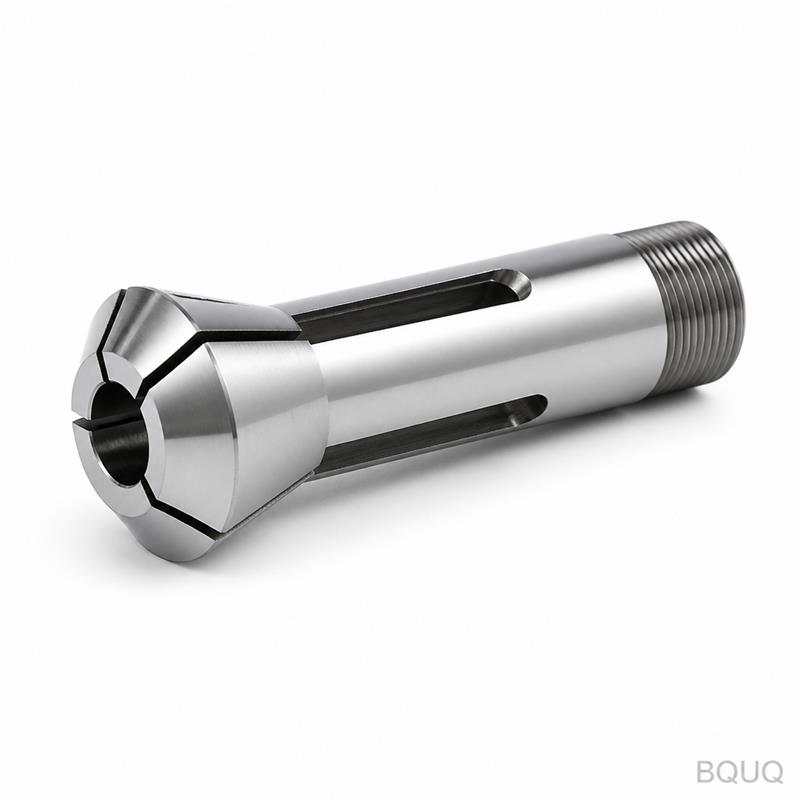
Hızlı değiştirilebilir pens aynaları. Bunlar, iş mili üzerinde kalan bir ayna gövdesi ve süngü, diş veya konik kilitle takılan değiştirilebilir burunlar veya pens yuvaları kullanır. Yuvanın tekrarlanabilirliği önemli olan spesifikasyondur — iyi sistemler yuvanın iş mili ile arasında 0.003–0.005 mm eşmerkezlilik sağlar, böylece ön ayarlı bir yuvadaki ön ayarlı pens, yeniden doğrultma olmadan ölçüye oturur. Bu tekrarlanabilirliği koruyan montaj ve tork uygulamaları için pens aynası montaj kılavuzuna bakın.
İsviçre tipi makineler için pens ve burç kartuşları. Kılavuz burçlu makinelerde en yüksek kaldıraçlı seçenek: pens ve kılavuz burç, doğru boşluk önceden ayarlanmış olarak bir kartuşta önceden monte edilir, böylece çubuk boyutu değişimi iki ayrı uyum yerine tek bir kartuş değişimidir. İsviçre tipi hassasiyeti asıl tanımlayan pens-burç çifti olduğundan, kartuş sistemleri kurulumun en hataya açık kısmını ortadan kaldırır.
Üç seçenek için de geçerli bir uyarı: salgı doğrulamasını atlayan hızlı değişim tasarruf değildir. Sistemin amacı, ön ayarlı düzeneğin zaten doğrulanmış olmasıdır, böylece makine tarafındaki kontrol tam bir ayardan onay taramasına inebilir. Donanım 0.005 mm içinde tekrarlanıyorsa, her kartuş değişiminden sonra 30 saniyelik bir komparatör taraması, nadir hatalı yuvayı her değişimi yüklemeden yakalar. Taramayı atlarsanız hızlı değişim sistemi sessizce bir hurda üreticisine dönüşür.
Organizasyon Kısmı: Ön Ayar ve Standardizasyon
Donanım değişimi kısaltır; organizasyon etrafındaki her şeyi kısaltır. Üç uygulama, çoğu hızlı değişim satın alımından daha fazla getiri sağlar.
Stok çaplarını standartlaştırın. Mühendislik ekibi işler arasında çubuk boyutlarını birleştirebilirse — 6.05 yerine 6.0 mm, 9.9 yerine 10 mm — pens ve burç kombinasyonlarının sayısı çöker ve kalanlar ön ayarı haklı çıkaracak kadar sık kullanılır. Pens boyut tablosu kılavuzumuz, delik boyutlandırmasının stok tolerans bantlarıyla nasıl etkileşime girdiğini ele alır.
Makine dışında ön ayar yapın. Bir pens tutucu, tork anahtarı ve komparatör içeren bir tezgah istasyonu, operatörün makine hala mevcut işi çalıştırırken bir sonraki işin pens düzeneğini kurmasını ve doğrulamasını sağlar. Değişim daha sonra bir parça yığınıyla değil, kanıtlanmış bir düzenekle başlar. Bu, yüksek karışımlı hücrelerde standart uygulamadır ve çoğu atölye için mevcut en büyük zaman tasarrufudur.
Değişim standardını yazın. Tork değerleri, temizlik kontrolleri ve tek sayfalık bir salgı kaydı içeren belgelenmiş bir sıra, 25 dakikalık bir uzman ritüelini her operatörün uygulayabileceği 7 dakikalık tekrarlanabilir bir prosedüre dönüştürür. İsviçre pens sistemleri kılavuzu, dokümantasyon uygulamasını daha derinlemesine ele alır.
ROI Hesabı
Rakamlara dökün: günde iki çubuk boyutu değişimi yapan, yılda 250 gün çalışan bir hücre, geleneksel 25 dakikaya karşı hızlı değişim takımı ve ön ayar ile 7 dakika, değişim başına 18 dakika tasarruf eder — makine başına yılda 150 saat. Saat başına muhafazakar 60–100 USD yüklü makine ücretiyle bu, makine başına yılda 9.000–15.000 USD'dir; tipik olarak birkaç bin dolarlık hızlı değişim aynası ve kartuş yatırımına karşı. Tekrarlanabilir kurulumdan kaynaklanan azaltılmış hurdayı ekleyin ve geri ödeme genellikle yıllar değil aylar içinde ölçülür. Bunlar gösterge niteliğindedir; karışımınız ve oranlarınız farklı olacaktır, ancak aritmetik doğru şekildedir.
Daha Az Sıklıkta Değişim İçin Planlama
Değişim donanımı bir değişimin maliyetini azaltır; planlama değişim sayısını azaltır. İşleri çubuk çapı ve pens boyutuna göre gruplamak — hangi müşteriye ait olduklarına bakılmaksızın tüm 6 mm işlerini 8 mm işlerinden önce çalıştırmak — karışık üretimde değişim sayısını üçte bir ila yarıya kadar azaltabilir. Takas, yarı mamul ve teslimat sıralamasıdır, bu nedenle planlamacının onayı gerekir, ancak bir İsviçre hücresi için aritmetik basittir: önlenen her değişim, geri kazanılan 20–30 dakika iş mili süresidir.
Yalın uygulama iki düşük maliyetli alışkanlık ekler. Birincisi, değişim sırasını görsel hale getirin — makinede tork değerlerini, temizlik noktalarını ve salgı kontrolünü listeleyen lamine tek sayfalık bir sayfa — böylece her operatör aynı adımları aynı sırayla uygular. İkincisi, pens ve burç düzeneklerini makinenin yanında etiketli, korumalı bir yerde saklayın, çünkü gevşek çekmecelerden kaynaklanan arama süresi ve hasar, zaman etüdünde asla görünmeyen değişim maliyetleridir. Bu alışkanlıklar birlikte, donanımın sağladığı tasarrufun üzerine değişim başına tipik olarak 3–8 dakika daha kazandırır.
En ucuz iyileştirme ölçümün kendisidir. On değişimi zamanlayın, dakikaların nereye gittiğini yazın ve çoğu atölye zamanın %20–30'unun yürüme, arama veya işi yeniden yapma olduğunu bulur — bunların hiçbiri düzeltmek için yeni donanım gerektirmez. Takım tahtasını makinenin yanına koyun, bir sonraki işi mevcut çalışma sırasında ön ayarlayın ve sırayı standartlaştırın; aynı operatörler hızlı değişim aynası gelmeden önce bile değişim süresini tipik olarak üçte bir oranında kısaltacaktır.
Bunların hiçbiri uygulamak için hücreyi durdurmayı gerektirmez. Ön ayar setleri ve belgelenmiş bir sıra mevcut işler arasında devreye alınabilir, hızlı değişim aynası planlı bir bakım penceresinde kurulur ve planlama değişiklikleri bir sonraki üretim planıyla yayılır. Yaygın hata, değişim iyileştirmesini bitiş tarihi olan bir proje olarak görmektir; oysa bu, geri bildirim döngüsü olan bir alışkanlıktır: ölçün, kısaltın, tekrar ölçün ve aynı hücre her çeyrekte dakikaları geri kazanmaya devam eder.
Sıkça Sorulan Sorular
S: İsviçre tipi bir tornada pens değişimi ne kadar sürmelidir?
C: Ön ayarlı düzenekler ve belgelenmiş bir prosedürle, ilk parça kontrolü dahil 5–10 dakika gerçekçidir. Geleneksel gevşek parça değişimleri 20–35 dakika sürer. Sizinki daha uzun sürüyorsa, zaman temizlemeye, takım aramaya veya yeniden kontrole gidiyordur — donanım satın almadan önce bunları düzeltin.
S: Hızlı değiştirilebilir pens aynası ile normal bir ayna arasındaki fark nedir?
C: Hızlı değiştirilebilir bir pens aynası, ayna gövdesini iş mili üzerinde tutar ve yalnızca pens yuvasını veya burnunu süngü, diş veya konik kilitle değiştirir. Yuvanın tekrarlanabilirliği — tipik olarak 0.003–0.005 mm — pensleri yeniden doğrultmadan veya kurulumu yeniden doğrulamadan değiştirmenizi sağlar.
S: Hızlı değişim sistemi için yeni penslere ihtiyacım var mı?
C: Genellikle hayır. Çoğu hızlı değişim aynası ER, 5C veya makinenizin kendi yaylı pensleri gibi standart pens ailelerini kabul eder; değişen, etraflarındaki tutucu veya kartuştur. Pens satın almadan önce aynanızın kabul ettiği pens ailesini doğrulayın.
S: Hızlı değişim sistemi salgıyı geleneksel bir kurulum kadar iyi tutar mı?
C: Evet, yuva doğru monte edilip torklandığında — iyi sistemler değişimler arasında 0.003–0.005 mm içinde tekrarlar, bu nedenle ön ayarlı pensler yeniden doğrultma olmadan ölçüye oturur. Doğruluk riski değişimden yuva montajına kayar, bu nedenle her değişimde ayna üreticisinin tork ve temizlik prosedürünü izleyin.
S: Hızlı değişim için kaç pensi ön ayarlı tutmalıyım?
C: Standart stok çaplarınız için düzenekleri ön ayarlayın — malzeme standardizasyon listenizdekiler. Tipik bir hücre için bu, komple, doğrulanmış düzenekler olarak saklanan 5–10 pens ve burç kombinasyonudur. Mümkün olan her boyutu ön ayarlı tutmak raf alanını boşa harcar ve yanlış boyut kapma riskini davet eder.
İlgili Kaynaklar
- Otomatik torna pens kılavuzu: kam ve CNC otomatik tornalar için pens tipleri ve delik seçimi.
- Pens aynası montaj kılavuzu: hızlı değişim tekrarlanabilirliğini koruyan montaj, tork ve salgı uygulaması.
- Pens aynaları: tornalama ve freze iş milleri için hızlı değişim ve standart pens aynaları.
- BQUQ Hakkında: Dongguan, Qiaotou'da ISO9001 sertifikalı kaynak fabrika, pensler, aynalar ve hassas parçaları kendi bünyesinde üretir.
- Bize ulaşın: teklif için makine modelinizi ve pens ailenizi gönderin, 12 iş saati içinde yanıt verelim.
BQUQ Mühendislik Ekibi tarafından yazılmıştır. BQUQ, Dongguan, Çin'de ISO9001 sertifikalı bir kaynak fabrikadır; CNC işleme, metal damgalama, özel yaylar, soğutucu ve pens hatlarını tek çatı altında yürütür. Teklif için çizimleri sc@bquq.com adresine veya WhatsApp +86 13713157787'ye gönderin, 12 iş saati içinde yanıt verelim. www.bquq.com