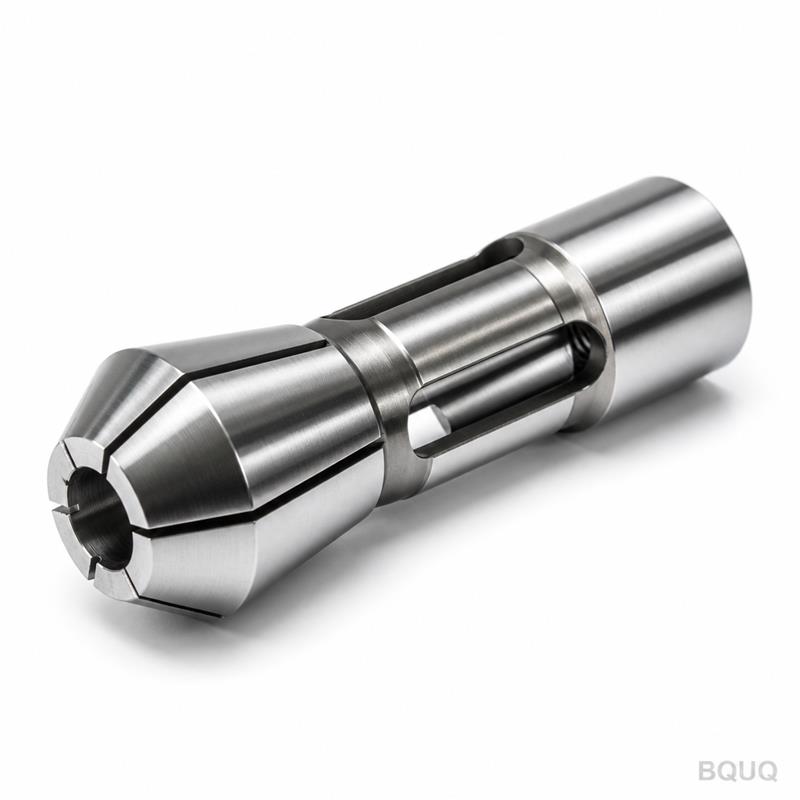
Pens çeliği ve ısıl işlem, yay parmaklarını aşınmaya dayanıklı deliklere karşı dengeler, tipik olarak 45-62 HRC. BQUQ her ikisini de işler, ISO9001 sertifikalı.
Pens Malzemeleri ve Isıl İşlem: Yay Çeliğinden Sertleştirilmiş Alaşıma
Pens malzemesi ve ısıl işlem, bir pensi başarılı veya başarısız kılan üç özelliği belirler: yarıklı parmakların yay davranışı, deliğin aşınma direnci ve taşlanmış geometrinin stabilitesi. Yay çeliği gövdeler tipik olarak 45–52 HRC aralığında çalışır, böylece parmaklar çatlamadan milyonlarca çevrim esner; sertleştirilmiş alaşım delikleri, aşınmanın baskın olduğu yerlerde 58–62 HRC'ye ulaşabilir — ve tüm parça taşlama boyunca boyutsal olarak stabil kalmalıdır.
Bir pens, tek bir metal parçadan işlenmiş bir çelişkidir. Parmakları bir yay gibi davranmalı, vardiya başına on binlerce kez açılıp kapanmalıdır. Deliği bir yatak bileziği gibi davranmalı, aşındırıcı çubuk stoğa direnmeli ve mikron seviyesinde bir geometriyi korumalıdır. Konisi, sürtünme veya aşınma olmadan aynaya tam oturmalıdır. Hiçbir sertlik bu üç işi birden karşılamaz, bu nedenle pens üreticileri bunları dengelemek için çeliği ve ısıl işlemi seçer — ve bu denge, yaylı bir pens için katı bir pens veya ayna bileşeninden farklıdır.
Her Pens Elemanının Malzemeden Beklentileri
Pensi fonksiyonel bölgelere ayırın ve malzeme gereksinimleri netleşir. Yarıklı parmak bölümü yorulma mukavemetine ihtiyaç duyar: her çevrimde bükülür ve bir yarık kökünde başlayan bir çatlak pensin ömrünü sona erdirir — veya daha kötüsü, makineye bir parça gönderir. Delik, sertlik ve aşınma direncine ihtiyaç duyar: içinden geçen çubuk stok, binlerce çevrimle ölçülen aşındırıcı bir olaydır. Koninin, ayna konikliğine tekrar tekrar oturan, sürtünmeye ve aşınmaya dayanıklı, tok bir yüzeye ihtiyacı vardır.
| Pens bölgesi | Baskın gereksinim | Tipik sertlik (endüstri) |
|---|---|---|
| Yarıklı parmaklar | Yorulma mukavemeti, elastik geri kazanım | 45–52 HRC tipik |
| Delik | Aşınma direnci, boyutsal stabilite | 55–62 HRC tipik |
| Koni/oturma yüzeyi | Sürtünme/aşınma direnci, tokluk | 45–58 HRC tipik |
| Katı pens gövdesi | Sertlik, aşınma direnci | 58–62 HRC tipik |
Rakamlar tek bir standart değil, tipik ticari aralıklardır — doğru değer pens boyutuna, yarık geometrisine ve göreve bağlıdır. Önemli olan desendir: esnemesi gereken bölgeler daha tok ve biraz daha yumuşak tutulurken, aşınmaya dayanması gereken bölgeler pratik sınıra kadar sertleştirilir.
Yay Çeliği: Klasik Pens Gövdesi
Yay çeliği, yarıklı pens gövdeleri için geleneksel cevaptır çünkü tam olarak bu görev için tasarlanmıştır: kalıcı bir şekil değişikliğine uğramadan, çevrim üstüne çevrim elastik sapma. Metalurjisi, yay koşuluna sertleştirilmiş ve temperlenmiş orta veya yüksek karbonlu ya da alaşımlı çeliktir — şekline dönmek için yeterince sert, yarık köklerinde çatlamamak için yeterince temperlenmiş.
Temperleme dengesi seçimin kalbidir. Çok sert temperlenirse, parmaklar birkaç bin çevrim sonra kırılır — genellikle bir aşınma parçasından kopyalanan bir sertlik spesifikasyonundan kaynaklanan klasik "yeni pens bir haftada çatladı" arızası. Çok yumuşak temperlenirse, parmaklar kalıcı bir şekil değişikliğine uğrar, pens tam olarak açılmaz ve çubuk ilerlemede sürüklenir. Doğru temper, parmakları delik boyutunun çalışma sapmasında elastik bırakır; bu nedenle orantılı olarak daha kalın parmaklara sahip küçük pensler, büyük ince cidarlı olanlardan daha sert çalışabilir.
| Çelik ailesi | Penslerde tipik kullanım | Ana özellik |
|---|---|---|
| Yüksek karbonlu yay çeliği | Yarıklı yaylı pens gövdeleri | Elastik geri kazanım, yorulma ömrü |
| Silisyum-manganlı yay çeliği | Daha ağır hizmet tipi yaylı pensler | Daha yüksek yorulma mukavemeti |
| Krom alaşımlı çelik | Sertleştirilmiş pensler ve katı pensler | Derin sertleşme, aşınma direnci |
| Rulman tipi alaşımlı çelik | Yüksek aşınmalı delikler, katı pensler | Aşırı sertlik, stabilite |
Tane yönü ve temizlik, kalite kadar önemlidir: zayıf bir kalıntı şeridi boyunca kesilmiş bir yarık, önceden var olan bir çatlaktır. Saygın pens üretimi, kalite güvenceli çubuktan başlar ve çelik kaynağını kontrol eder, çünkü yorulma ömrü bitmiş bir pense muayene edilerek kazandırılamaz — eritme aşamasında satın alınır.
Sertleştirme ve Temperleme: Proses Sırası
Bir yaylı pens için ısıl işlem, bilinçli bir sırayı takip eder ve sıra, sıcaklıklar kadar önemlidir. Boşluk, delik hafifçe küçük ve yarıklar ya kesilmemiş ya da kaba kesilmiş olarak işlenir. Daha sonra sertleştirilir: östenitlenir, su verilir ve gövdenin yay görevi için hedef sertliğe temperlenir. Çelik stabilize olduktan sonra hassas iş başlar — delik son boyuta taşlanır ve koni bitirilir, çünkü sertleştirmeden sonra taşlama, bir daha hareket etmeyecek bir parçada geometriyi doğru tutan şeydir.
Yarıklar özel bir durumdur. Sertleştirmeden sonra yarık kesmek köklerde çatlak riski taşır; sertleştirmeden önce kesmek, yarık genişliğini kapatan veya açan distorsiyon riski taşır. Üretim uygulaması değişir, ancak son taşlanmış delik ve nihai yarık geometrisi her zaman sertleştirilmiş parça üzerinde yapılır ve prosesin gerektirdiği yerlerde gerilim giderme uygulanır. Yarık kökleri yuvarlatılır, asla kare bırakılmaz — kare bir kök, her çevrimi tek bir hatta yoğunlaştıran bir yorulma çentiğidir.
| Proses adımı | Amaç | Tipik sonuç |
|---|---|---|
| Boşluğu işle | Net şekle yakın gövde, delik ve koni | İşlem için stabil stok |
| Sertleştir ve su ver | Tam sertlik dönüşümü | Sert, aşınmaya dayanıklı çelik |
| Temperle | Tokluğu ve yay davranışını geri kazandır | 45–52 HRC gövde tipik |
| Deliği ve koniyi taşla | Stabil çelik üzerinde doğru geometri | Mikron seviyesinde eşmerkezlilik |
| Yarıkları kes/bitir | Son esneme geometrisi | Yuvarlatılmış kökler, kontrollü genişlik |
| Son muayene | Delik, koni, salgı, sertlik kontrolleri | Parti başına sınıf sertifikası |
Sonuç: Sertleştirme, son taşlamadan önce yapılır, asla sonra değil. Taşlanıp sonra sertleştirilen bir pens, size ulaştığında hareket etmiştir ve salgı sınıfı kurgudur. Bir tedarikçi proses sırasını belirtemediğinde, salgı sertifikasına şüpheyle yaklaşın.
Sertleştirilmiş Alaşım Delikler ve Katı Pensler
Aşınmanın baskın olduğu yerlerde — katı pensler, ana pensler ve ağır hizmet tipi yaylı penslerin delik bölgesi — üreticiler derin ve homojen sertleşen krom ve rulman tipi alaşımlı çeliklere yönelir. Bu kaliteler sertlik aralığının üst ucuna ulaşır ve yüzey sertleştirme yerine tam sertleştirme yapıldıkları için geometrilerini korurlar; bir pens deliğindeki ince bir yüzey tabakası, çubuğun kaydığı yerde aşınarak yumuşak metali açığa çıkarır.
Katı pensler, esnemesi gereken hiçbir şey olmadığı için sertlik aralığının en üstünde çalışabilir. Buradaki ödünleşim pensin ömrünün diğer ucunda ortaya çıkar: çok sert bir pens ince kesitlerde kırılgandır ve çubuk eğri yüklenirse delik kenarlarında çatlamaya daha yatkındır. Katı pens tasarımı bunu çeliği yumuşatmak yerine kesit kalınlığı ve kenar işlemi ile yönetir.
Malzemeyi Göreve Uydurma
Seçim rehberliği, metalurjiden daha basittir. Otomatik tezgahlarda ve İsviçre tipi tornalarda çubukla beslenen yaylı pensler: yay çeliği gövde, yorulma için temperlenmiş, delik sertleştirilmiş ve taşlanmış. Taşlama ve sert tornalama için katı pensler: üst aralığa kadar tam sertleştirilmiş alaşımlı çelik. Yüksek aşınmalı veya aşındırıcı stok (paslanmaz, soğuk çekilmiş alaşımlar): daha sert delik işlemi belirtin ve daha kısa delik ömrü aralıkları planlayın. Yumuşak stok (pirinç, alüminyum): sertlik düşebilir, ancak parmakların yorulma spesifikasyonu aynı kalır.
İki pratik uyarı. Birincisi, sertlik bir aralıktır ve sertifika bunu belirtmelidir: numarasız "sertleştirilmiş" bir pens size hiçbir şey söylemez. İkincisi, aşınmış bir pensi asla yeniden sertleştirmeyin — yarıklar ve delik, orijinal işlemden sonra bitirilmiştir ve ikinci bir su verme geometriyi geri kazanılamayacak şekilde bozar. Yeniden işlemeyin, değiştirin.
Pens Tedarikçisine Sorulacak Sorular
Dört soru sorun: gövdenin hangi çelik ailesini kullandığı, sertifikalı hedef sertlik aralığı, deliğin sertleştirmeden sonra taşlanıp taşlanmadığı ve yarık tasarımının sizin delik boyutunuzda hangi yorulma ömrünü hedeflediği. Cevaplar, pensleri hassas yaylar olarak gören bir fabrikayı, şekilleri işleyip sertleştirmeyi sonradan akla gelen bir işlem olarak gören bir fabrikadan ayırır.
BQUQ'da pens hatları bu disiplini kendi bünyesinde uygular: 36/46/52/60/630/643 aileleri için yay çeliği ve sertleştirilmiş alaşımdan işlenmiş yaylı pensler, ısıl işlemden sonra taşlanmış delikler ve sevkiyattan önce doğrulanmış sertlik ve salgı — tümü, CNC, damgalama, yay ve soğutucu hatlarımızı işleten aynı Dongguan fabrikasında ISO9001 proses kontrolü altında. Otomatik torna pens aralığına ve bunların oturduğu İsviçre ve 2J pens aynalarına göz atın ve pens bakım rehberimizle yaşam döngüsünün diğer ucunu aklınızda bulundurun — malzeme seçimi bir pensin ne kadar dayanacağını belirler, ancak bakım onun yaşlılıktan mı yoksa ihmalden mi öleceğine karar verir. Makineniz ve çubuk detaylarınızı 12 çalışma saati içinde teklif almak için sc@bquq.com adresine gönderin.
Sıkça Sorulan Sorular
S: Bir pens neden hem sert hem de yay gibidir?
C: Farklı bölgeler farklı özelliklere ihtiyaç duyar. Yarıklı parmaklar milyonlarca çevrim boyunca elastik olarak esnemelidir, bu nedenle tipik olarak 45–52 HRC civarında bir yay koşuluna temperlenirler; delik aşınmaya direnmelidir, bu nedenle tipik olarak 55–62 HRC'ye doğru sertleştirilir. Tek parça, iki ısıl işlem hedefi.
S: Yeni pensim neden bir yarıkta çatladı?
C: Genel nedenler, kare yerine yuvarlatılmamış bir yarık kökü, tokluğu ortadan kaldıran aşırı sert bir temper veya yarıkta bir çelik kusurudur. Hizmetin ilk haftalarında oluşan bir çatlak üretim kaynaklı bir sorundur — sertlik sertifikasını isteyin ve pensi değiştirin.
S: Delik sertleştirmeden önce mi sonra mı taşlanmalıdır?
C: Sonra. Deliği ve koniyi sertleştirilmiş parça üzerinde taşlamak, geometrinin pensin ömrü boyunca doğru kalmasını garanti eder. Taşlamadan sonra sertleştirme deliği bozar ve salgı sınıfını anlamsız hale getirir.
S: Aşınmış bir pens yeniden sertleştirilip tekrar kullanılabilir mi?
C: Hayır. Yeniden sertleştirme, bitmiş deliği, koniyi ve yarıkları pratik olarak geri kazanılamayacak şekilde bozar ve parmakların yorulma geçmişi zaten tükenmiştir. Değiştirme, yeniden işlenmiş bir pensin üreteceği hurda parçalardan daha ucuzdur.
S: Bir pensle birlikte hangi sertifika gelmelidir?
C: En azından, malzeme kimliği, fiilen ölçülen sertlik aralığı ve parça veya parti başına delik-koni salgı sınıfı. BQUQ her pens partisiyle birlikte sertlik ve salgı muayene verilerini gönderir — ödeme yapmadan önce herhangi bir tedarikçiden bunu isteyin.
BQUQ Mühendislik Ekibi tarafından yazılmıştır. BQUQ, Çin'in Dongguan kentinde, tek çatı altında CNC işleme, metal damgalama, özel yaylar, soğutucu ve pens hatlarını işleten ISO9001 sertifikalı bir kaynak fabrikasıdır. 12 çalışma saati içinde teklif almak için çizimleri sc@bquq.com adresine veya WhatsApp +86 13713157787 numarasına gönderin. www.bquq.com