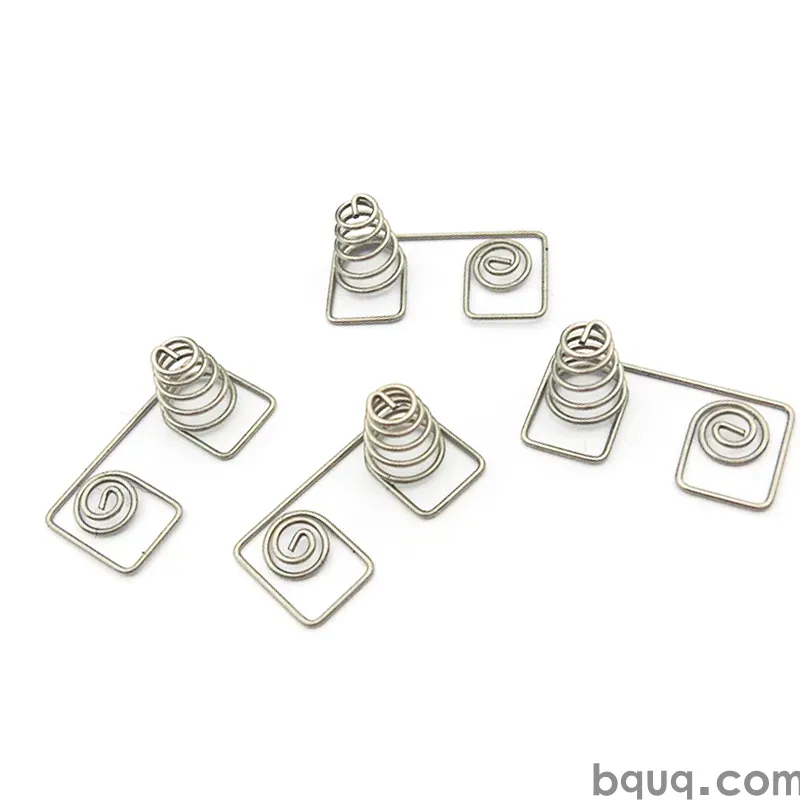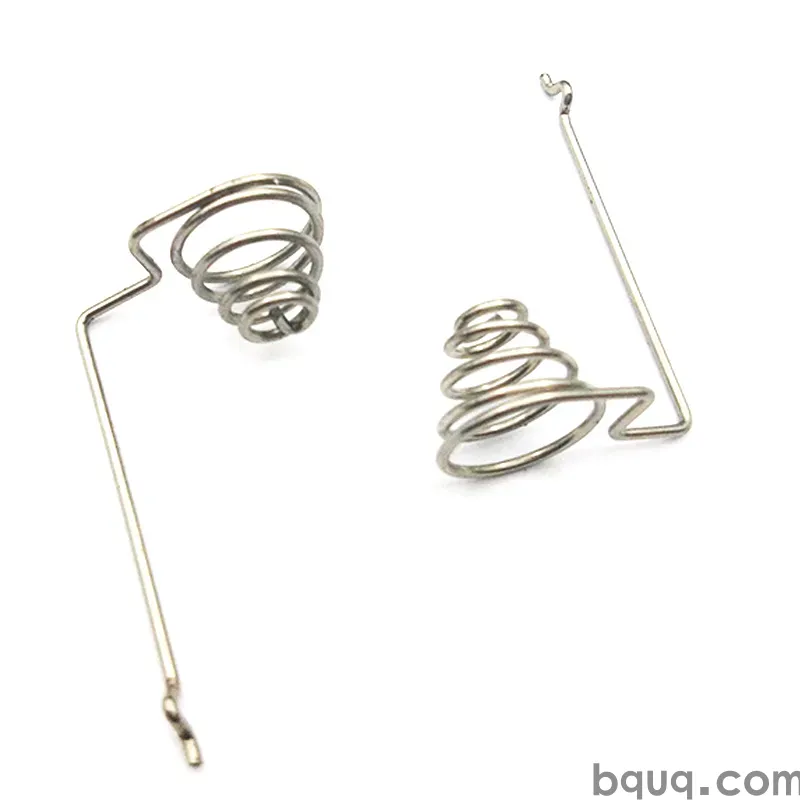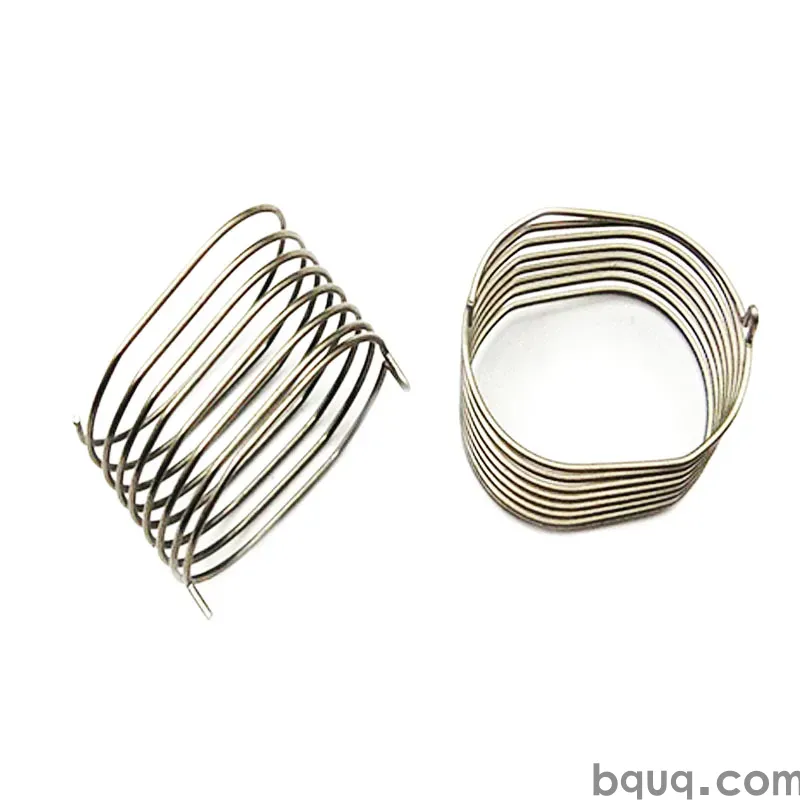
Gevşeme yay yükünü kaybettirir; yorulma ise çatlatır. Farklı belirtiler, farklı çözümler. BQUQ (ISO9001, Dongguan) yayları tasarlar ve yorulma testlerinden geçirir.
Yay Gevşemesi ve Yorulma: İki Farklı Arıza, İki Farklı Tasarım Çözümü
Gevşeme ve yorulma, yayların ömrünü bitiren iki farklı mekanizmadır ve birbirlerinin zıttıdır: gevşeme, yük altında hareketsiz duran bir yayın zamanla gücünü kaybetmesidir; yorulma ise bir yayın birçok hareket döngüsünden sonra kırılmasıdır. Bir yay artık yeterince sert bastırmıyorsa, gevşeme tedavisi uygulayın — gerilimi düşürün, ön yükleme yapın, soğutun. Bir yay parçalara ayrılıyorsa, yorulma tedavisi uygulayın — gerilim genliğini düşürün, yüzey hasarını giderin, kum püskürtme (shot peening) ekleyin.
Tasarımcılar rutin olarak yanlış çözümü uygular çünkü her iki arıza da "yay arızalandı" şeklinde görünür ve her ikisi de malzeme kalitesine bağlanır. Ancak mekanizmalar, birine uygulanan çözümün diğeri için işe yaramaz — hatta zararlı — olabileceği kadar farklıdır. Örneğin ön yükleme, gevşeme için güçlü bir çözümdür ancak yüzey çiziğinden başlayan bir yorulma çatlağı için neredeyse hiçbir şey yapmaz. İkisini belirtiden, parça geçmişinden ve gerilim durumundan ayırt etmeyi öğrenin; tasarım çözümü netleşir.
Gevşeme: Sessizce Pes Eden Yay
Gerilim gevşemesi, sabit bir sehimde tutulan bir yayın zamanla kuvvetini kademeli olarak kaybetmesidir. Hiçbir şey kırılmaz, hiçbir şey yanlış görünmez — serbest boy neredeyse değişmeyebilir, ancak çalışma yüksekliğindeki yük aşağı doğru sürüklenir. Mekanizma mikro-plastik sünmedir: sürekli gerilim altında atomlar yavaşça yeniden düzenlenir ve elastik şekil değişimi kalıcı şekil değişimine dönüşür. Sıcaklık bunu önemli ölçüde hızlandırır — 20°C'de yıllarca yük tutan bir yay, 150°C'de haftalar içinde kuvvetinin %20'sini kaybedebilir.
| Etken | Gevşeme üzerindeki etkisi | Pratik çözüm |
|---|---|---|
| Çalışma gerilimi seviyesi | Kayıp, gerilimle birlikte hızla artar | Çekme mukavemetinin daha düşük %'sine göre tasarlayın |
| Sıcaklık | Kayıp, 30–40°C artış başına yaklaşık iki katına çıkar | Sıcaklığı düşürün veya alaşımı yükseltin |
| Yük altında kalma süresi | Hızlı başlangıç kaybı, ardından yavaşlama | Erken oturmayı gidermek için ön yükleme yapın |
| Malzeme | Nikel ve paslanmaz alaşımlar daha az gevşer | Karbon çeliğinden yükseltin |
| Yüzey durumu | Küçük rol | Kum püskürtme (shot peening) mütevazı fayda sağlar |
Özet: Gevşeme, yay hiç çevrim yapmadan önce — gerilim seviyesi, sıcaklık, ön yükleme ve alaşım ile kontrol edilir. Klasik çözüm sırası şudur: çalışma gerilimini malzeme eğrisine göre kontrol edin, yay teslim edildiğinde zaten oturmuş olması için bir ön yükleme işlemi ekleyin ve hala kayıyorsa bir alaşım ailesi yukarı çıkın veya ortamı soğutun. Bir gevşeme testi — numuneleri çalışma boyunda ve sıcaklıkta 100–1.000 saat tutmak ve yük eğrisini ölçmek — tek dürüst doğrulamadır.
Yorulma: Parça Parça Kırılan Yay
Yorulma, tekrarlanan yükleme altında çatlak büyümesidir. Her çevrim tel yüzeyini çekme ve basmaya maruz bırakır; mikroskobik bir kusur — bir çekme çiziği, bir dekarbürize tabaka, bir çukur, sarmadan kaynaklanan bir takım izi — her çevrimde biraz büyüyen ve kalan kesit kırılana kadar devam eden bir çatlak haline gelir. Yorulma kırılmaları klasik bir kırılma yüzeyi gösterir: çatlak büyümesinden kaynaklanan pürüzsüz deniz kabuğu izleri (beach marks) ve pürüzlü bir son kopma bölgesi. Önemli olan sayı, gerilim genliğidir (minimum ve maksimum gerilim arasındaki salınım), yalnızca tepe gerilimi değil.
| Etken | Yorulma üzerindeki etkisi | Pratik çözüm |
|---|---|---|
| Gerilim genliği | Genlik arttıkça ömür hızla düşer | Sehim aralığını azaltın veya yay katsayısını yeniden tasarlayın |
| Ortalama gerilim | Daha yüksek ortalama gerilim ömrü kısaltır | Mümkünse ön yükü düşürün |
| Yüzey kusurları | Çizikler çatlak başlatıcı görevi görür | Kum püskürtme (shot peening), parlatma, kusursuz tel |
| Korozyon | Çukurlar çatlakları hızla başlatır | Kaplama, paslanmaz malzeme, kuru ortam |
| Gerilim yığılmaları | Kancalar, keskin bükümler gerilimi yoğunlaştırır | Daha büyük büküm yarıçapları, yeniden tasarlanmış uçlar |
Özet: Yorulma bir yüzey ve genlik problemidir. En etkili üretim çözümü, yüzeyi basınç altına alarak bir çatlağın açılmasını önleyen kum püskürtme (shot peening) işlemidir — dinamik yüklü yaylarda yorulma ömrünü rutin olarak iki ila beş kat artırır. İkinci çözüm tasarımdır: yay katsayısını veya çalışma aralığını değiştirerek genliği düşürün ve kanca ile uçlardaki büküm yarıçaplarını büyütün. Bir yay milyonlarca çevrim çalıştıysa ve bir proses değişikliğinden sonra kırılıyorsa, yüzeyde neyin değiştiğine bakın — yeni bir kaplama banyosu, daha pürüzlü bir tel çekimi, daha ucuz bir sarma kalıbı.
Arızalı Bir Parçada İkisini Ayırt Etmek
Herhangi bir şeyi değiştirmeden önce teşhis koyun. İki arıza işareti, beş dakikalık bir incelemenin çözümü belirleyeceği kadar farklıdır.
| Gözlem | Gevşemeyi gösterir | Yorulmayı gösterir |
|---|---|---|
| Belirti | Kuvvet kaybı, hala sağlam | Kırılma, çatlama, ani kısalma |
| Parça geçmişi | Statik veya yavaş çevrim, genellikle sıcak | Milyonlarca çevrim, dinamik servis |
| Görünüm | Kırılma yok, belki hafif oturma | Kırıkta deniz kabuğu izleri + son kopma bölgesi |
| Yük kontrolü | Çalışma yüksekliğinde kuvvet spesifikasyonun altında | Kırılmaya kadar kuvvet genellikle iyi |
| Hasarın yeri | Tüm gövde eşit şekilde etkilenmiş | Yerel: yüzey çiziği, kanca bükümü, çukur |
Özet: Suçlamadan önce ölçün. Kuvvetinin %15'ini kaybetmiş ancak çatlak göstermeyen bir yay gevşeme vakasıdır — gerilimi veya malzemeyi yeniden tasarlayın. 2 milyon çevrimden sonra bir yüzey çukurunda kırılan bir yay yorulma vakasıdır — kum püskürtün, parlatın veya genliği düşürün. Yanlış teşhis pahalıdır: bir yorulma arızasını yalnızca ön yükleme ile tedavi etmek bir üretim partisini boşa harcar ve bir gevşeme arızasını yalnızca kum püskürtme ile tedavi etmek müşteriyi iki kez hayal kırıklığına uğratır.
Aynı Anda Her İkisi İçin Tasarım
Gerçek hayattaki birçok yay her ikisine de dayanmalıdır: bir supap yayı saatlerce sıkışık kalır (gevşeme) ve ayrıca milyonlarca kez çevrim yapar (yorulma), genellikle sıcakken. Her ikisini de kapsayan tasarım sırası şudur: önce malzemeyi sıcaklık ve korozyon zarfından seçin, gerilimi yorulma genliği gereksiniminden ayarlayın, boyut ve yük stabilitesi için ön yükleme ekleyin, ardından yorulma için kum püskürtün. İki testle doğrulayın — gevşeme için yük tutma testi ve yorulma için hedef ömre kadar çevrim testi. Birlikte çalışıldığında, bu iki disiplin, iyi yapılmış bir yayın aynı makinede üç ucuz yaydan daha uzun yaşamasının nedenidir.
BQUQ'da yay hattı, iki arıza modunu ilk tekliften itibaren ayrı ayrı ele alır: yorulma için sehim aralığını ve çevrim sayısını, gevşeme için sürekli yükü, sıcaklığı ve gereken saatleri sorarız. Basma yayı ve çekme yayı hatları, uygulamaya göre ön yükleme, ısıl stabilizasyon ve kum püskürtme yapacak şekilde kurulmuştur ve test raporları hem yük tutma hem de çevrim sonuçlarını kapsar. Çalışma zarfını, yükü, sıcaklığı ve çevrim sayısını sc@bquq.com adresine veya WhatsApp +86 13713157787 numarasına gönderin; teklif, arıza modu zaten tasarımda elenmiş olarak 12 çalışma saati içinde geri gelir.
S: Yayımın gevşeme mi yoksa yorulma nedeniyle mi arızalandığını nasıl anlarım?
Parçayı kontrol edin. Hala tek parça ancak yük test cihazında zayıfsa gevşeme; iki bölgeli bir kırılma yüzeyiyle (pürüzsüz deniz kabuğu izleri artı pürüzlü kopma) kırılmışsa yorulma anlamına gelir. Geçmişle ilişkilendirin: sıcak ve statik gevşemeyi, yüksek çevrim sayıları yorulmayı gösterir.
S: Kum püskürtme (shot peening) gerilim gevşemesini de düzeltir mi?
Kısmen. Kum püskürtme, gevşemeyi hafifçe yavaşlatan basınçlı artık gerilim ekler, ancak baskın gevşeme faktörleri çalışma gerilimi, sıcaklık ve ön yüklemedir. Bir gevşeme problemi için önce ön yükleme yapın ve gerilimi azaltın; kum püskürtmeyi bir bonus olarak düşünün, tedavi olarak değil.
S: Uzun yorulma ömrü için hangi gerilim seviyesine göre tasarım yapmalıyım?
Karbon ve alaşımlı yay çelikleri için temel kural olarak, burulma gerilimi genliğini çekme mukavemetinin kabaca %20–25'inin altında ve maksimum gerilimi %45–50'nin altında tutmak, kum püskürtmenin uzattığı milyonlarca çevrimlik ömürler sağlar. Kesin değerler malzemenin yorulma diyagramına aittir — tasarım noktası kontrolü için fabrikaya sorun.
S: Ön yükleme neden yorulma performansına zarar verir?
Ön yükleme teli plastik olarak deforme eder, bu da yüzeyde mikro hasar oluşturabilir ve basınçlı artık gerilim faydasını azaltabilir. Yoğun çevrimli yaylar için, ön yüklemeden sonra kum püskürtme yüzey basıncını geri kazandırır. Her ikisi de önemli olduğunda sıra şudur: sarma, ön yükleme, kum püskürtme, test.
S: Gevşeme geri kazanılabilir mi, yoksa yay kalıcı olarak hasarlı mı?
Kalıcıdır. Gevşeme elastik şekil değişimini plastik şekil değişimine dönüştürür; yükün boşaltılması ve yeniden yüklenmesi kaybedilen yükü geri getirmez. Tek çözümler tasarım değişiklikleridir — daha düşük gerilim, daha iyi alaşım, daha düşük sıcaklık — veya yayın değiştirilmesidir. Bu nedenle üretim onayından önce gevşeme testi maliyetine değer.
BQUQ Mühendislik Ekibi tarafından yazılmıştır. BQUQ, Çin'in Dongguan şehrinde tek çatı altında CNC işleme, metal damgalama, özel yaylar, soğutucu ve pens hatlarını işleten ISO9001 sertifikalı bir kaynak fabrikasıdır. Çizimleri sc@bquq.com adresine veya WhatsApp +86 13713157787 numarasına gönderin, 12 çalışma saati içinde teklif alın. www.bquq.com