Otomotiv elektroniği 70-105C ortam sıcaklıklarında soğutulur: invertör ve DC-DC kayıpları, batarya sınırları, soğutma yöntemleri. BQUQ (ISO9001, Dongguan) 12 saat içinde teklif verir.
Otomotiv Elektroniğinin Soğutulması: İnvertörler, DC-DC ve Batarya Sistemleri
Otomotiv elektroniği zorlu bir ortamda soğutulur: motor bölmesinde 70–105 °C hava sıcaklığı, elektronik bölmelerinde 60–85 °C, her eksende titreşim ve güç kademelerinde verimin %2–6'sını ısı olarak kaybeden sistemler — 200 kW'lık bir çekiş invertörü birkaç kilovat ısı yayar. Soğutma mimarisi, kutunun nerede bulunduğuna ve neyi anahtarladığına göre belirlenir: çekiş invertörleri için sıvı soğutma plakaları, daha küçük dönüştürücüler için zorlamalı hava veya pasif metal gövdeler ve bataryalar için hücre seviyesinde termal kontrol.
Bir otomobil, bir devre kartının göreceği en kötü ortamdır; çünkü ısı kaynağı ve etkilenen bileşen aynı küçük, sızdırmaz metal dünyayı paylaşır. Motor bölmesi elektroniği motor ve egzoz yakınında pişer; yerleşik şarj cihazları ve DC-DC dönüştürücüler sızdırmaz muhafazalarda yüksek akımda çalışır; batarya paketleri ömür boyu serin kalmalı ve aşırı kullanımda tutuşma eşiklerinin altında olmalıdır. Bu kılavuz, gövde dökülmeden önce termal mimarinin seçilebilmesi için her alt sistemin sayılarını haritalandırır.
Ortam Sıcaklığı Tasarım Girdisidir
Her otomotiv termal bütçesi, kutunun etrafındaki hava sıcaklığıyla başlar ve bu sayı montaj konumuna göre büyük ölçüde değişir. Yolcu kabininde kolayca hayatta kalan aynı DC-DC dönüştürücü, şanzımana cıvatalandığında tamamen farklı bir tasarım gerektirir. Otomotiv spesifikasyonları tipik olarak dünyayı farklı ortam sınıflarına sahip montaj bölgelerine ayırır ve her bölgedeki elektronik, komşularının ısısına da dayanmalıdır.
| Montaj bölgesi | Tipik ortam aralığı | Soğutma gerçeği |
|---|---|---|
| Yolcu kabini / bagaj | 60–85 °C | Sızdırmaz kutu, orta güç: pasif mümkün |
| Elektronik bölmesi / yangın duvarı | 70–95 °C | Gövdeye iletim veya küçük fanlar |
| Motor bölmesi, motor yakını | 85–105 °C | Metal gövdeler, soğutucular zorunlu |
| Şanzıman / egzoza bitişik | 105–125 °C+ | Sıvı soğutma veya güç düşürme gerekli |
| Dış hava (sensörler, farlar) | 40–60 °C | Pasif soğutucular genellikle yeterli |
Önemli çıkarım: termal tasarıma başlamadan önce montaj bölgesini belirtin — bir "105 °C ortam" gereksinimi, cevabı damgalanmış alüminyum soğutucudan sıvı soğutma plakasına değiştirir. En kötü ve en iyi bölge arasındaki fark, genellikle elektroniğin tüm termal marjından daha büyüktür.
Çekiş İnvertörleri: Kilovatlar Nereye Gidiyor
Çekiş invertörü, araç elektroniğindeki en büyük termal canavardır. Yüksek frekansta yüzlerce amperi anahtarlar ve her anahtarlama ve iletim kaybı IGBT veya SiC modüllerine düşer. Verimlilik yüksektir — tipik olarak %96–99 — ancak 200 kW'ın %1–4'ü, bir taban plakası aracılığıyla modüllerden ayrılması gereken 2–8 kW ısıdır. Bu ısı akısı hava için çok yoğundur, bu nedenle seri üretim çekiş invertörleri sıvı soğutmalıdır: modüller bir soğutma plakasına veya doğrudan soğutucu kanal gövdesine monte edilir, arada gres veya lehim TIM kullanılır.
| Güç kademesi | Tipik güç çıkışı | Tam yükte tipik kayıp | Soğutma yöntemi |
|---|---|---|---|
| Çekiş invertörü (IGBT) | 100–300 kW | 2–6 kW (%1–4) | Modüller üzerinde sıvı soğutma plakası |
| Çekiş invertörü (SiC) | 100–300 kW | 1–3 kW (daha yüksek verim) | Sıvı soğutma plakası, daha küçük |
| Yerleşik şarj cihazı | 6–22 kW | 100–400 W | Sıvı veya zorlamalı hava |
| DC-DC dönüştürücü (HV→LV) | 1–3 kW | 40–150 W | Zorlamalı hava veya gövde soğutucusu |
| Yardımcı sürücüler (pompalar, fanlar) | 0,1–2 kW | 5–50 W | Pasif veya küçük fan |
Önemli çıkarım: kayıp yüzdesi küçük görünür, ancak muazzam güç çıkışıyla çarpılır. %97 verimli bir dönüştürücü bile 85 °C ortamda 3 kW ısıyı taşımak zorundadır — bu nedenle termal yol, güç kademesiyle aynı anda tasarlanır, sonradan değil. Modül tarafı termal tasarımı, IGBT güç modülü soğutma kılavuzumuzda ele alınmıştır.
DC-DC ve Şarj Cihazı Soğutması: Hava, Gövde veya Plaka
İnvertörün altında, termal soru mimari hale gelir: ısı metal gövdeye ve ardından havaya mı atılabilir, yoksa kutunun kendi hava akışına mı ihtiyacı var mı? 100 W kaybeden 2 kW'lık bir DC-DC dönüştürücü, genellikle kanatlı alüminyum gövde veya kasaya iletilen mütevazı bir iç soğutucu ile soğutulabilir — fan yok, pompa yok, yüksek güvenilirlik. 400 W kaybeden 22 kW'lık bir yerleşik şarj cihazı daha fazlasına ihtiyaç duyar: muhafazadan üfleyen bir fan veya batarya soğutma sistemiyle paylaşılan bir sıvı devresi.
| Cihaz gücü | Kayıp aralığı (tipik) | Pratik soğutma yolu |
|---|---|---|
| < 300 W toplam | < 15 W | Pasif, PCB bakırı + küçük soğutucular |
| 1–3 kW dönüştürücü | 40–150 W | Kanatlı gövde, kasaya iletim |
| 6–11 kW şarj cihazı | 100–250 W | Kanallı muhafazadan zorlamalı hava |
| 22 kW şarj cihazı | 300–500 W | Sıvı veya yüksek akışlı zorlamalı hava |
Önemli çıkarım: kabaca 150 W kaybın altında, kanatlı duvarlara ve siyah kaplamaya sahip iyi tasarlanmış bir metal gövde, hareketli parça olmadan ısıyı taşır — titreşim ortamında gerçek bir güvenilirlik kazancı. Bunun üzerinde, fan ve sıvı arasındaki seçim, herhangi bir elektronikteki gibi aynı güç yoğunluğu mantığını izler; tek fark ortamın 85 °C olması ve tozun yol tozu olmasıdır.
Batarya Termal Yönetimi: Ömür ve Güvenlik
Bataryaların iki termal sorunu vardır: performans ve güvenlik. Lityum hücreler sıcakken daha hızlı bozulur — kabaca 40–45 °C üzerinde sürekli çalışma ömrü kısaltır ve ~0 °C altında şarj etmek hücrelere zarar verir — bu nedenle termal sistem hem ısıtmalı hem de soğutmalıdır. Güvenlik daha zor kısıttır: yaygın NMC kimyaları, kabaca 150 °C üzerindeki iç sıcaklıklarda ekzotermik kaçak başlatabilir ve bir hücrede kaçak başladığında, paket bunun yayılmasını önlemelidir. Soğutma işi, normal yaşamda hücreleri çalışma bandında tutmak ve aşırı kullanımda komşuların tutuşabileceğinden daha hızlı ısıyı uzaklaştırmaktır.
| Batarya durumu | Sıcaklık hedefi (tipik) | Sonuç |
|---|---|---|
| Çalışma bandı (Li-ion, tipik) | 15–35 °C optimal | En iyi ömür ve güç |
| ~45 °C üzerinde sürekli | Ömür bozulması | Kapasite kaybı hızlanır |
| ~0 °C altında şarj | Hasar / lityum kaplaması | Şarj akımını sınırlayın veya önce ısıtın |
| Hücre içi ~150 °C üzeri | Kaçak başlama riski (NMC, tipik) | Termal yayılma kontrolü gerekli |
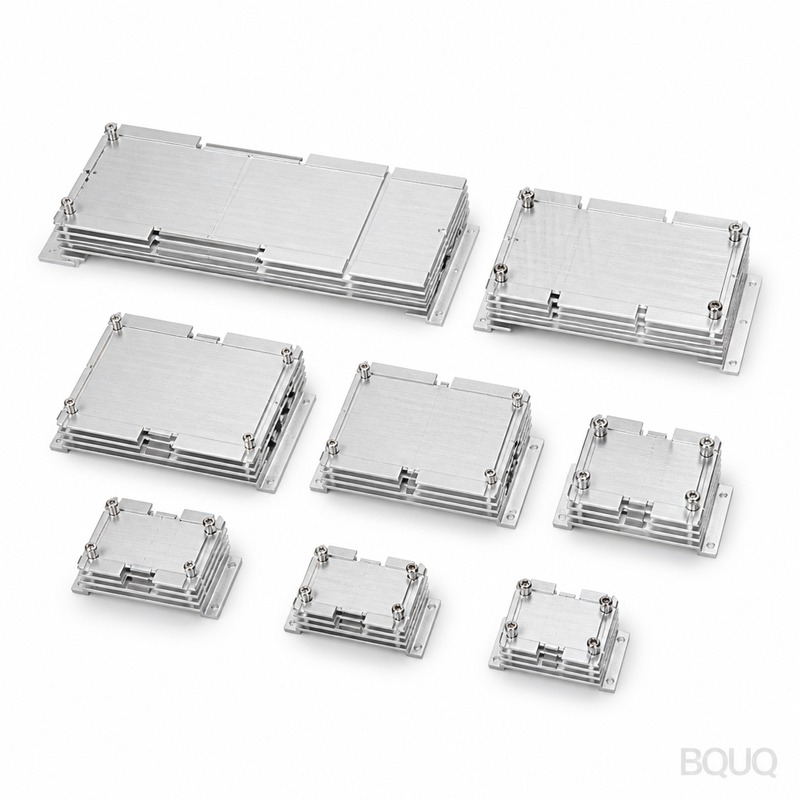
Önemli çıkarım: paket soğutması, modül ölçeğinde bir ısı yayma ve ısı uzaklaştırma problemidir — modüllerin altında sıvı soğutma plakaları, hücreler arasında alüminyum ısı yayıcılar ve yayılmayı durdurmak için hücreler arasında faz değişim veya yalıtım bariyerleri. Paketi taşıyan yapısal alüminyum, termal yolun bir parçasıdır; bu nedenle batarya paketlerindeki işlenmiş ve damgalanmış alüminyum parçalar hem mukavemet hem de iletim için spesifiye edilir.
Titreşim, Sızdırmazlık ve Her İki İşi de Yapan Metal Parçalar
Otomotiv elektroniği, bağlantı elemanlarını gevşeten titreşime, lehim bağlantılarını çatlatan darbeye ve açıkta kalan metali aşındıran su ve tuza dayanmalıdır. Termal çözüm bu dünyanın içinde yaşamalıdır: soğutucular yapıştırılmak yerine titreşime karşı cıvatalanır veya klipslenir, TIM'ler pompa çıkışına direnecek şekilde seçilir ve kanatlı gövdeler yapısal eleman olarak ikiye katlanır. Konformal kaplama kartları korur, ancak aynı zamanda yalıtır — termal arayüzlerden uzak tutun. Sızdırmaz muhafazalar (örneğin IP6K9K yıkama), ısıyı duvarlardan dışarı iter; bu da geniş kanat alanına sahip siyah eloksallı alüminyum gövdeleri ve hacmin takımı haklı çıkardığı yerlerde damgalanmış sac metal ısı yayıcıları veya kanatları destekler.
BQUQ'da gördüğümüz otomotiv termal parçaları tek bir deseni izler: ekstrüde, CNC işlenmiş soğutucular ve damgalanmış soğutucular, herhangi bir güvenlik parçasıyla aynı çizim titizliğiyle spesifiye edilir — malzeme sertifikaları, modül yüzeyinde düzlük ve parti muayene raporları. ISO9001 proses kontrolü dokümantasyonu kapsar ve kritik montaj yüzeylerinde ±0.005 mm işleme kapasitesi, modül hizalaması gerektirdiğinde mevcuttur. Termal spesifikasyonu ve çizimi sc@bquq.com adresine gönderin, 12 çalışma saati içinde teklif alın; hava vs sıvı soğutma karşılaştırması, kayıp bütçenizin gerçekten hangi mimariyi gerektirdiğini çerçevelemeye yardımcı olur.
Sıkça Sorulan Sorular
S: Bir araba kaputunun altı elektronik için ne kadar ısınır?
C: Motor ve egzoz yakınındaki hava sıcaklığı tipik olarak 85–105 °C arasında çalışır; şanzıman veya egzoza bitişik noktalar daha yüksektir. Elektroniğin kendi ısısıyla birleştiğinde, termal tasarım için etkin ortam genellikle 100 °C'nin üzerindedir; bu da metal gövdeleri veya sıvı soğutmayı zorunlu kılar.
S: EV çekiş invertörleri neden sıvı soğutmalıdır?
C: 200 kW anahtarlayan bir invertör, %97–99 verimde bile 2–6 kW kaybeder ve bu kayıp küçük IGBT veya SiC modül taban plakalarında yoğunlaşır. Bu ısı akısı, mevcut alanda havanın kaldırabileceğinin çok ötesindedir; bu nedenle modüller sıvı soğutma plakalarına veya doğrudan soğutucu kanal gövdelerine monte edilir.
S: Lityum-iyon batarya paketi için hangi sıcaklık kötüdür?
C: Kabaca 40–45 °C üzerinde sürekli çalışma kapasite kaybını hızlandırır ve yaklaşık 0 °C altında şarj etmek lityum kaplaması riski taşır. Yaygın NMC kimyalarında kabaca 150 °C üzerindeki iç sıcaklıklar ekzotermik kaçağı tetikleyebilir; bu nedenle paket soğutması hem ömür hem de yayılma kontrolünü kapsamalıdır.
S: Otomotiv DC-DC dönüştürücüler pasif olarak soğutulabilir mi?
C: Evet, kayıplar orta düzeyde kaldığında — iyi tasarlanmış kanatlı alüminyum gövdedeki bir dönüştürücü için kabaca 100–150 W'a kadar. Gövde ısıyı kanatlı duvarlara iletir ve yayar; bunun üzerinde, sıcak motor bölmesi ortamında zorlamalı hava veya sıvı devresi gerekli hale gelir.
S: Otomotiv soğutucu tasarımını tüketici elektroniğinden farklı kılan nedir?
C: Ortam (105 °C+'ya kadar), titreşim (bağlantı elemanı ve TIM bütünlüğü), sızdırmazlık (IP6K9K) ve −40 ila +125 °C aralığında termal çevrim. Parçalar malzeme sertifikaları, kontrollü düzlük ve parti muayenesi ile spesifiye edilir — güvenlikle ilgili herhangi bir bileşenle aynı titizlik.
İlgili Makaleler
- igbt-power-module-cooling-guide — BQUQ Termal Yönetim mühendislik serisinden daha fazlası.
- air-cooling-vs-liquid-cooling-electronics — BQUQ Termal Yönetim mühendislik serisinden daha fazlası.
- heat-sink-mounting-methods-guide — BQUQ Termal Yönetim mühendislik serisinden daha fazlası.
İlgili Kaynaklar
- BQUQ Hakkında: Dongguan'da tek çatı altında dört üretim hattı işleten ISO9001 sertifikalı kaynak fabrika.
- Soğutucular ve termal parçalar: termal hattan ekstrüde, CNC işlenmiş ve damgalanmış seçenekler — ekstrüde soğutucular, CNC işlenmiş soğutucular, damgalanmış soğutucular.
- Sektör trendleri: alıcılar için üretim, malzeme piyasası ve tedarik analizi.
- Teknik makaleler: mühendislik kılavuzları ve proses karşılaştırmaları — bu makalenin geldiği yerden daha fazlası.
- SSS merkezi: CNC, damgalama, yaylar ve soğutucular hakkında hızlı cevaplar.
- Vaka çalışmaları: mühendisliğini yaptığımız ve teslim ettiğimiz projelerden gerçek parçalar ve gerçek rakamlar.
- İletişim: çiziminizi gönderin ve 12 çalışma saati içinde teklif alın.
BQUQ Mühendislik Ekibi tarafından yazılmıştır. BQUQ, Çin'in Dongguan kentinde CNC işleme, metal damgalama, özel yaylar, soğutucu ve pens hatlarını tek çatı altında işleten ISO9001 sertifikalı bir kaynak fabrikadır. Çizimleri sc@bquq.com adresine veya WhatsApp +86 13713157787 numarasına gönderin, 12 çalışma saati içinde teklif alın. www.bquq.com