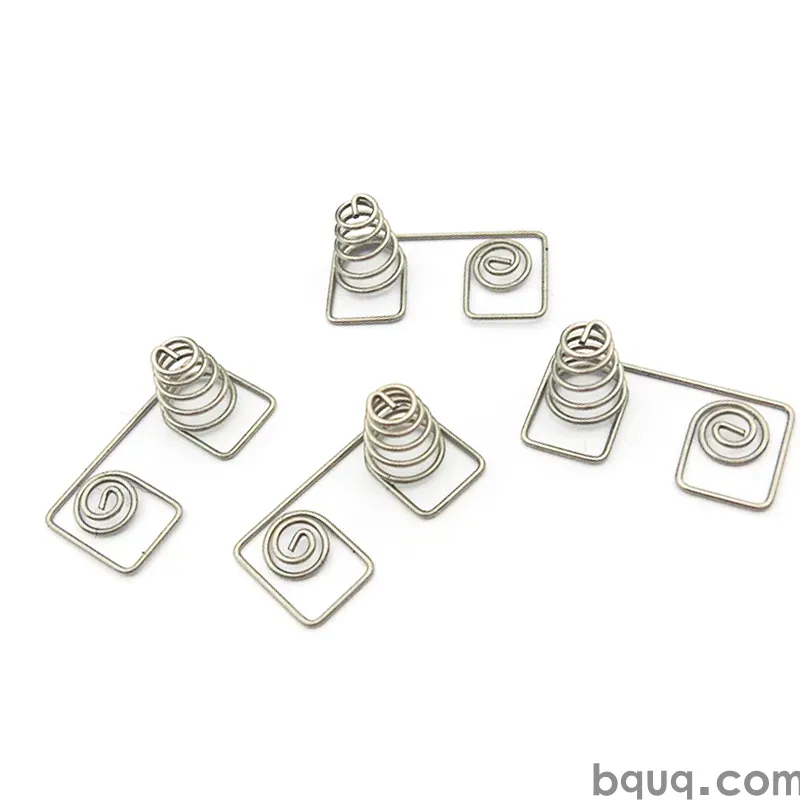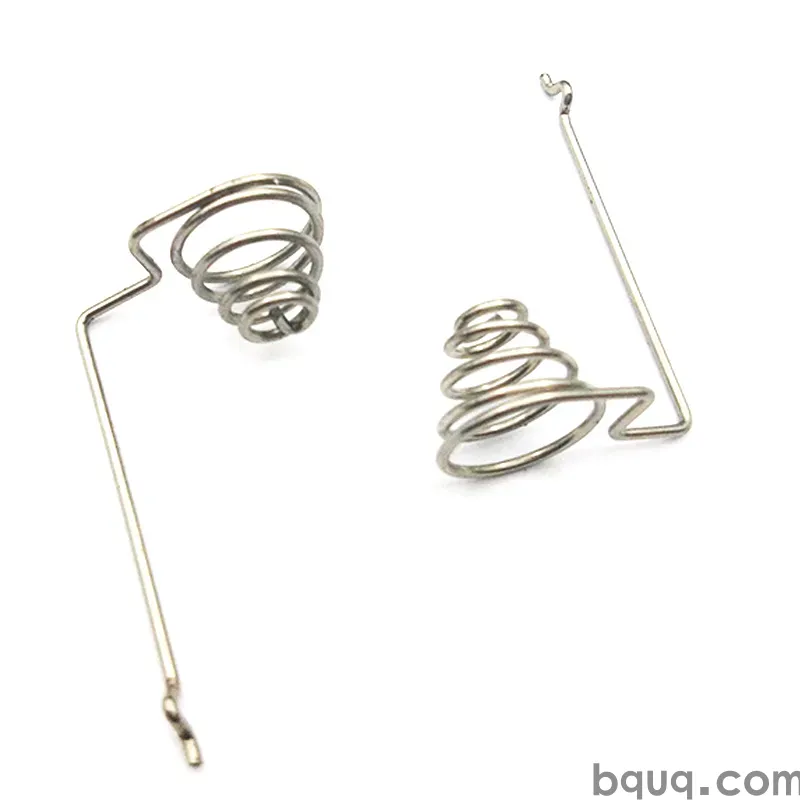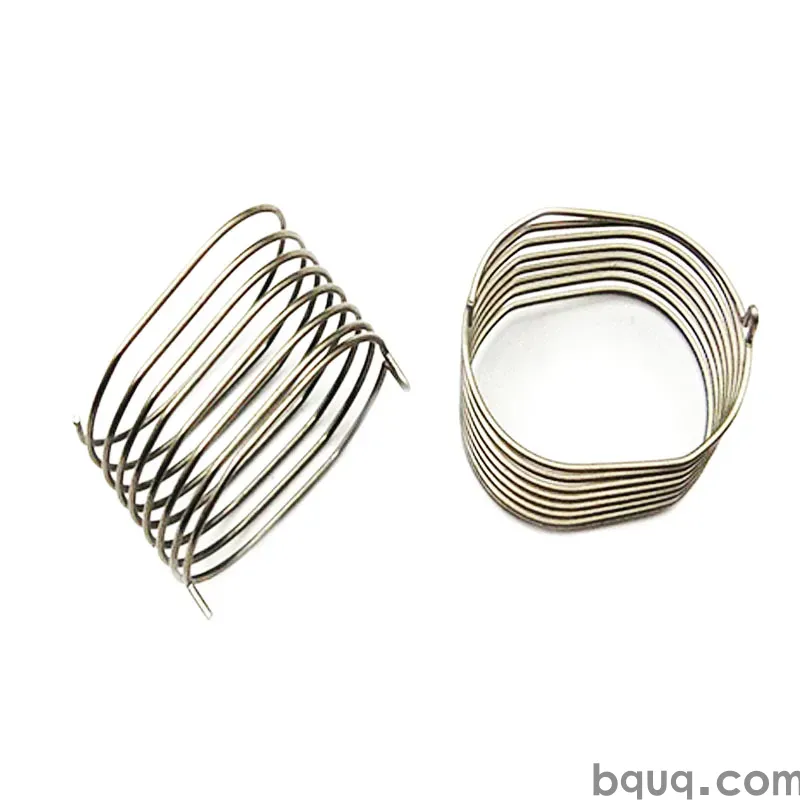
Takım maliyeti, tolerans, birim fiyat ve hacim geçiş noktası açısından damgalama ve CNC işleme karşılaştırması; her iki hattı da işleten ISO9001 Dongguan fabrikasından.
Damgalama ve CNC İşleme: Karar Noktasını Belirleyen Hacim Çizgisi
Kısa cevap: Hacim, kalıp maliyetini karşılayacak kadar yüksek olduğunda birim maliyet yarışını damgalama kazanır; bu çizginin altında ise CNC işleme kazanır. Tipik bir damgalanmış braket veya terminal için geçiş noktası genellikle yılda kabaca 1.000 ila 5.000 parça arasındadır. Bu seviyenin altında, işleme genellikle parça başına daha ucuzdur ve takım gerektirmez; üzerinde ise kademeli kalıp kendini hızla amorti eder ve birim fiyatı işlenmiş maliyetin çok altına düşürür. Çizginin tam olarak nereye düşeceğini parça boyutu, tolerans, malzeme ve geometri belirler.
Soru hangi prosesin daha iyi olduğu değildir. Soru, miktarınızın, toleransınızın ve geometrinizin hangi prosesi desteklediğidir. BQUQ, Dongguan'daki tek bir ISO9001 fabrikasında hem CNC tornalama ve frezeleme hem de metal damgalama hatlarını işletmektedir; bu nedenle aşağıdaki karşılaştırma tek bir proses için satış konuşması değildir. Bir çizim geldiğinde ve bütçenizi ve teslim tarihinizi koruyacak rotayı önermemiz gerektiğinde uyguladığımız maliyet mantığının aynısıdır.
Farklı Sorulara Cevap Veren İki Proses
CNC işleme, katı bir bloktan veya çubuktan malzeme kaldırır. Her parça ayrı ayrı kesilir, bu da prosesi esnek kılar: takım taahhüdü yoktur, tasarım değişiklikleri hızlıdır ve kritik özelliklerde ±0.005 mm'ye kadar sıkı toleranslar elde edilir. Maliyet zamandır - her parça dakikalarca iş mili süresi gerektirir, bu nedenle birim fiyat yüksek kalır.
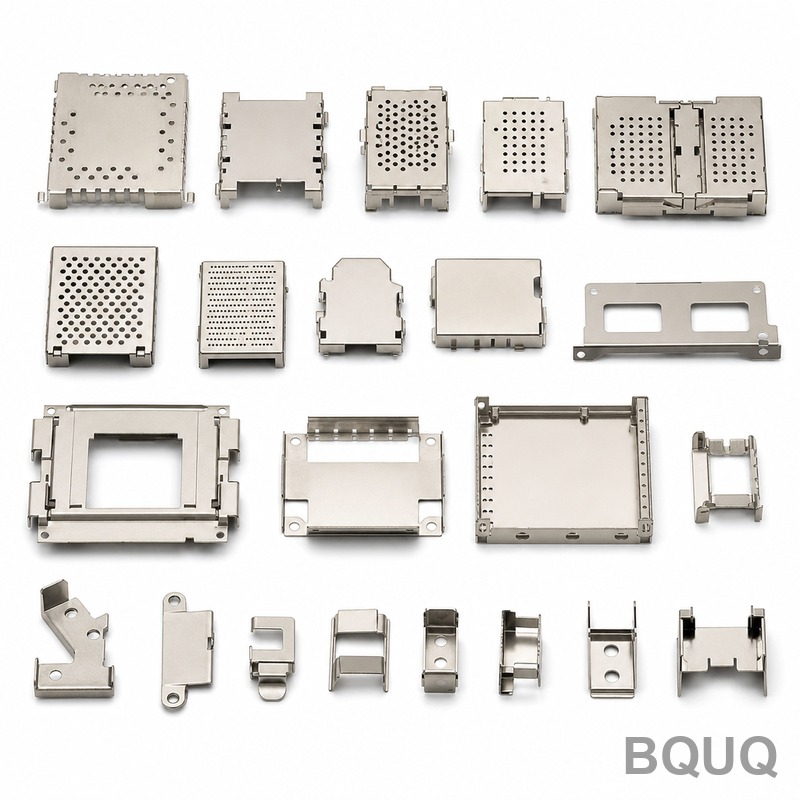
Damgalama, sac metali tek bir strokta veya hızlı bir strok serisinde bir kalıpla şekillendirir. Kalıp pahalıdır ve üretimi yavaştır, ancak çalışmaya başladığında parçalar saniyenin çok küçük bir kısmında çıkar. Birim maliyet düşer, ancak her tasarım değişikliği bir kalıp değişikliği anlamına gelir ve tolerans, bir kalıbın tekrarlanabilir şekilde tutabileceği ile sınırlıdır.
| Karar girdisi | CNC işleme | Damgalama |
|---|---|---|
| Takım yatırımı | Düşük (sadece fikstürler, genellikle hiç yok) | Yüksek (kalıp: tipik olarak $2k–$50k+) |
| Birim maliyet şekli | Sabit, miktara duyarsız | Hacimle birlikte keskin şekilde düşer |
| Tasarım değişikliği maliyeti | Düşük, programı düzenle | Yüksek, kalıbı yeniden yap veya değiştir |
| Tipik tolerans | Rutin ±0.01–0.05 mm; CNC kritiklerinde ±0.005 mm | Standart ±0.05–0.13 mm; hassas kademeli kalıplarla ±0.02 mm |
| Parça boyutu ideal aralığı | Küçük ila orta, 3D şekiller | İnce düz veya şekillendirilmiş parçalar, küçük ila büyük |
| Parça başına hız | Dakikalar | Saniyenin çok küçük bir kısmı |
Tablodan çıkarılacak sonuç: damgalama bir hacim işidir ve CNC bir esneklik işidir. Yalnızca birini sunan bir fabrika sizi sessizce sattığı şeye yönlendirir; bizimki gibi her ikisini de işleten bir fabrika, hangi rotanın çiziminize gerçekten uyduğu konusunda açık sözlü olabilir.
Bir Kalıbın Gerçek Maliyeti Nedir?
Takım, düşük hacimde CNC'nin tüm argümanıdır. Basit bir kesme kalıbı $2.000–$8.000'a mal olabilir. 8–15 istasyonlu küçük bir terminal için kademeli bir kalıp tipik olarak $5.000–$25.000 arasındadır. Otomotiv parçası için büyük, yüksek hızlı bir kademeli kalıp $50.000'i aşabilir. Kalıp teslim süresi karmaşıklığa bağlı olarak 4–10 hafta sürerken, bir CNC ilk numunesi günler içinde sevk edilebilir.
| Yıllık hacim | Tipik makul rota | Neden |
|---|---|---|
| 1–100 adet | CNC işleme | Takım maliyeti yok, parçalar günler içinde |
| 100–1.000 adet | CNC veya tekrarlanan siparişlerde yumuşak takım | Kalıp bu hacimde nadiren kendini amorti eder |
| 1.000–10.000 adet | Basit veya kademeli kalıpla damgalama | Geçiş bölgesi; her iki teklifi de modelleyin |
| 10.000+ adet | Kademeli kalıp damgalama | Birim maliyet tipik olarak işlenmişin 1/3–1/10'u |
| 100.000+ adet | Yüksek hızlı kademeli, çoklu çıkışlı kalıplar | Damgalama maliyeti malzeme ağırlıklı hale gelir |
Çıkarılacak sonuç: birim fiyatları karşılaştırmadan önce kalıbı yıllık miktarınıza amorti edin. Beş yıl boyunca yılda 500 parçaya ihtiyacınız varsa, $15.000'lık bir kalıp, tek bir damgalama strokundan önce parça başına $6 ekler - CNC bu tartışmayı neredeyse her zaman kazanacaktır.
Tolerans ve Geometri: CNC'nin Değiştirilemediği Yerler
Damgalama konumu iyi tutar ancak dürüst sınırları vardır. Kesilen kenarlar kesilir, kesilmez: tipik olarak kalınlığın %20-40'ı kesilmiş ve geri kalanı kırılmış, parlak bir bant ve kırılma bölgesi bekleyin. İnce kesme bu kenarı pürüzsüzleştirir, ancak maliyet ekler. Şekillendirilmiş özellikler geri yaylanır, bu nedenle bükme açıları deliklerden daha gevşek toleranslar taşır ve geniş alanlarda sıkı düzlük bir kalıpta tutmak zordur.
CNC, parça kalın olduğunda, 3D özelliklere sahip olduğunda, sıkı yuvarlaklık veya dişler talep ettiğinde veya ±0.005 mm sınıfı hassasiyet gerektirdiğinde yerini kazanır - bunların hiçbiri bir damgalama kalıbının ekonomik olarak sağlayamayacağı şeylerdir. Bir damgalanmış tasarım olarak başlayan bir CNC ile işlenmiş bileşen, tam olarak tasarımcının bir kalıbın tutamayacağı bir özellik keşfetmesi nedeniyle yaygındır.
| Özellik | Damgalama tipik | CNC tipik |
|---|---|---|
| Delik konumu | ±0.05–0.10 mm | ±0.01–0.03 mm |
| Kesilmiş profil | ±0.05–0.13 mm | ±0.01–0.05 mm |
| Bükme açısı | ±0.5–1° | ±0.1–0.3° |
| Dişler | Sadece ikincil kılavuz çekme | Proses içinde kesilir veya haddelenir |
| Kenar durumu | Kesme + kırılma bölgesi | Temiz işlenmiş yüzey |
| Malzeme kalınlığı | Tipik 0.05–6 mm, sadece sac | Katı çubuk stoğuna kadar |
Çıkarılacak sonuç, sadece hacmin değil, geometrinin de zemini belirlemesidir: gerçekten küçük bir 3D blok olan bir parça, hiçbir hacimde damgalama adayı değildir; ince bir konnektör terminali ise birkaç bin parçanın üzerindeki herhangi bir hacimde nadiren işlenmesi ekonomiktir.
Hibrit Çözüm
En keskin tasarımlar farkı böler: hacim ekonomisinin işe yaradığı yerde gövdeyi damgalayın, ardından damgalamanın tutamayacağı işlenmiş bir özellik ekleyin. Damgalanmış bir bara, CNC ile işlenmiş montaj delikleri ve frezelenmiş bir temas yüzeyi alır; damgalanmış bir braket, ikincil bir operasyonda eklenen kılavuz çekilmiş bir delik alır; bir damgalanmış terminal, aşınmanın önemli olduğu yerde CNC ile işlenmiş bir eşleşme yüzeyi alır.
Damgalamayı ve CNC'yi tek çatı altında işlettiğimiz için, hibrit parçalar ikinci bir tedarikçi olmadan hatlar arasında hareket eder ve muayene raporları her iki prosesi de kapsar. Çiziminizde on kolay özellik ve bir imkansız özellik olduğunda pratik cevap budur: on'u kalıpla, biri işleyin.
Teklif Almadan Önce Nasıl Karar Verilir?
Aritmetiği beş adımda kendiniz yapın. İlk olarak, gerçek yıllık miktarınızı ve parçanın kaç yıl yaşayacağını sabitleyin. İkinci olarak, aynı çizim için bir kalıp teklifi ve bir CNC parça başına teklif alın. Üçüncü olarak, takım maliyetini miktara bölün ve damgalanmış birim fiyata ekleyin. Dördüncü olarak, tolerans ve kenar durumu çağrılarını kontrol edin - herhangi bir özellik damgalamanın pratik sınırının altındaysa, ikincil maliyet ekleyin veya hibrite geçin. Beşinci olarak, teslim sürelerini karşılaştırın: bir kalıp üretimi ilk sevkiyatınıza haftalar ekler, bu nedenle lansman acilse, damgalama ikinci siparişi kazansa bile CNC ilk siparişi kazanır.
Rakamlar yakın olduğunda, kalite riski teraziyi değiştirir. Damgalanmış bir parçanın tutarlılığı kalıp bakımına ve malzeme temperine bağlıdır; işlenmiş bir parçanınki ise kuruluma ve takım aşınmasına bağlıdır. Herhangi bir fabrikadan standart boyutsal raporunu isteyin - BQUQ'da her parti, parçalar pres hattından veya CNC hattından gelmiş olsun, ISO9001 sistemimiz altında muayene verileriyle sevk edilir.
Sıkça Sorulan Sorular
S: CNC işlemeden daha ucuz olan damgalama hangi miktarda başlar?
Çoğu küçük parça için geçiş noktası, kalıp maliyeti amorti edildikten sonra yılda kabaca 1.000 ila 5.000 parça arasındadır. Büyük veya kalın parçalar bunu yukarı kaydırır, çok küçük yüksek hızlı terminaller aşağı kaydırır. Takım amortismanıyla her iki teklifi de modelleyin.
S: Damgalama CNC seviyesinde toleransları tutabilir mi?
Genellikle hayır. Standart damgalama ±0.05–0.13 mm tutar; hassas kademeli kalıplar konumda yaklaşık ±0.02 mm'ye ulaşır. CNC rutin olarak ±0.01 mm tutar ve kritik özelliklerde ±0.005 mm'ye ulaşır. Damgalama toleranslarını yalnızca kalıbın tekrarlayabileceği yerlerde belirtin.
S: Hacmim geçiş noktasının altındaysa ancak büyüyecekse ne olur?
Hızlı teslimat ve tasarım dondurma için ilk partileri işleyin, ardından tasarım stabilize olduğunda ve hacim bunu haklı çıkardığında bir kalıba geçin. Çok erken üretilen damgalama takımı, hala değiştirebileceğiniz bir tasarımı kilitler ve kalıp modifikasyonları pahalıdır.
S: Damgalanmış bir parça işlenmiş bir parçadan daha mı zayıftır?
Doğası gereği değil - malzeme aynıdır. Ancak kesilen kenarlarda kırılma bölgesi bulunur ve şekillendirilmiş köşeler işleme sertleşmesine uğrar ve gerilim altındadır, bu nedenle yorulma ve kenar kalitesi farklılık gösterir. Yük taşıyan kenarlar için, kesme kırılmasının kabul edilemez olduğu yerlerde ince kesme veya işleme belirtin.
S: Her ikisini de işleten bir fabrika hangi prosesi önermelidir?
Çizime uyanı: miktar, tolerans, geometri ve program. 200 parçalık bir parça için damgalamayı veya 200.000 parçalık bir terminal için CNC'yi dayatan bir fabrika, sizin parçanızı değil, kapasitesini satıyordur. Tercihi değil, maliyet mantığını isteyin.
BQUQ Mühendislik Ekibi tarafından yazılmıştır. BQUQ, Çin'in Dongguan kentinde tek çatı altında CNC işleme, metal damgalama, özel yaylar, soğutucu ve pens hatlarını işleten ISO9001 sertifikalı bir kaynak fabrikasıdır. 12 çalışma saati içinde teklif almak için çizimleri sc@bquq.com adresine veya WhatsApp +86 13713157787 numarasına gönderin. www.bquq.com